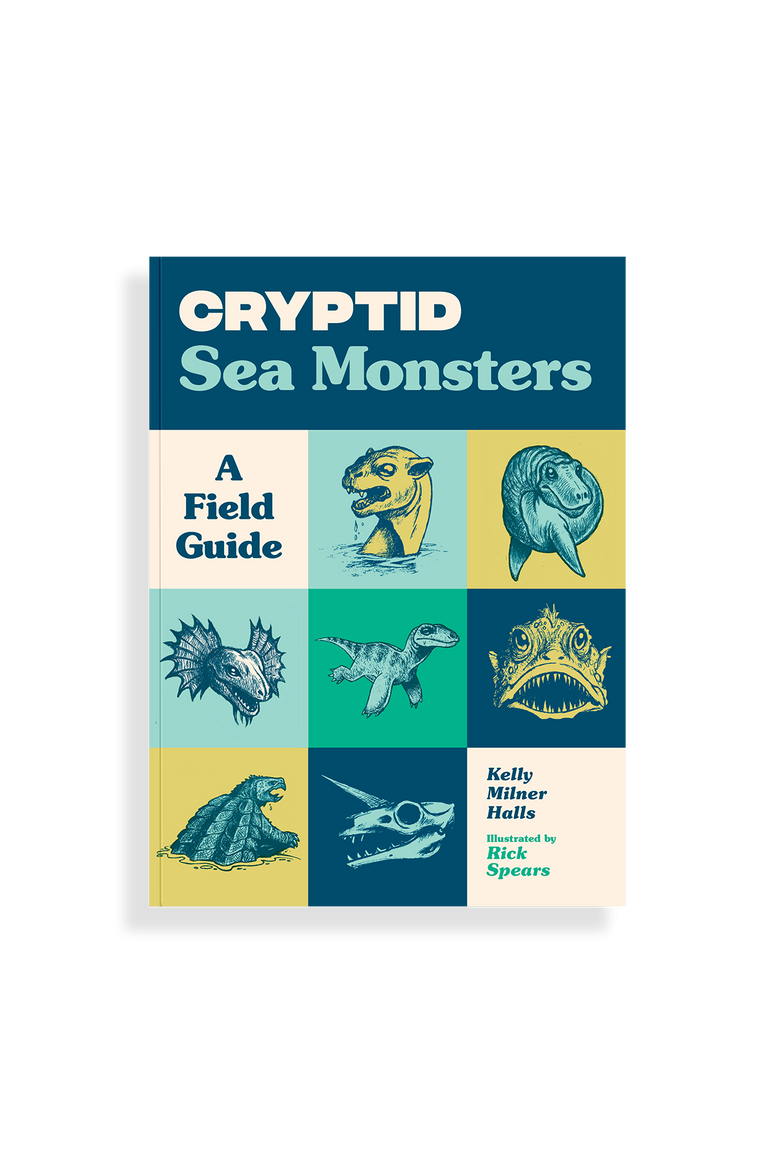
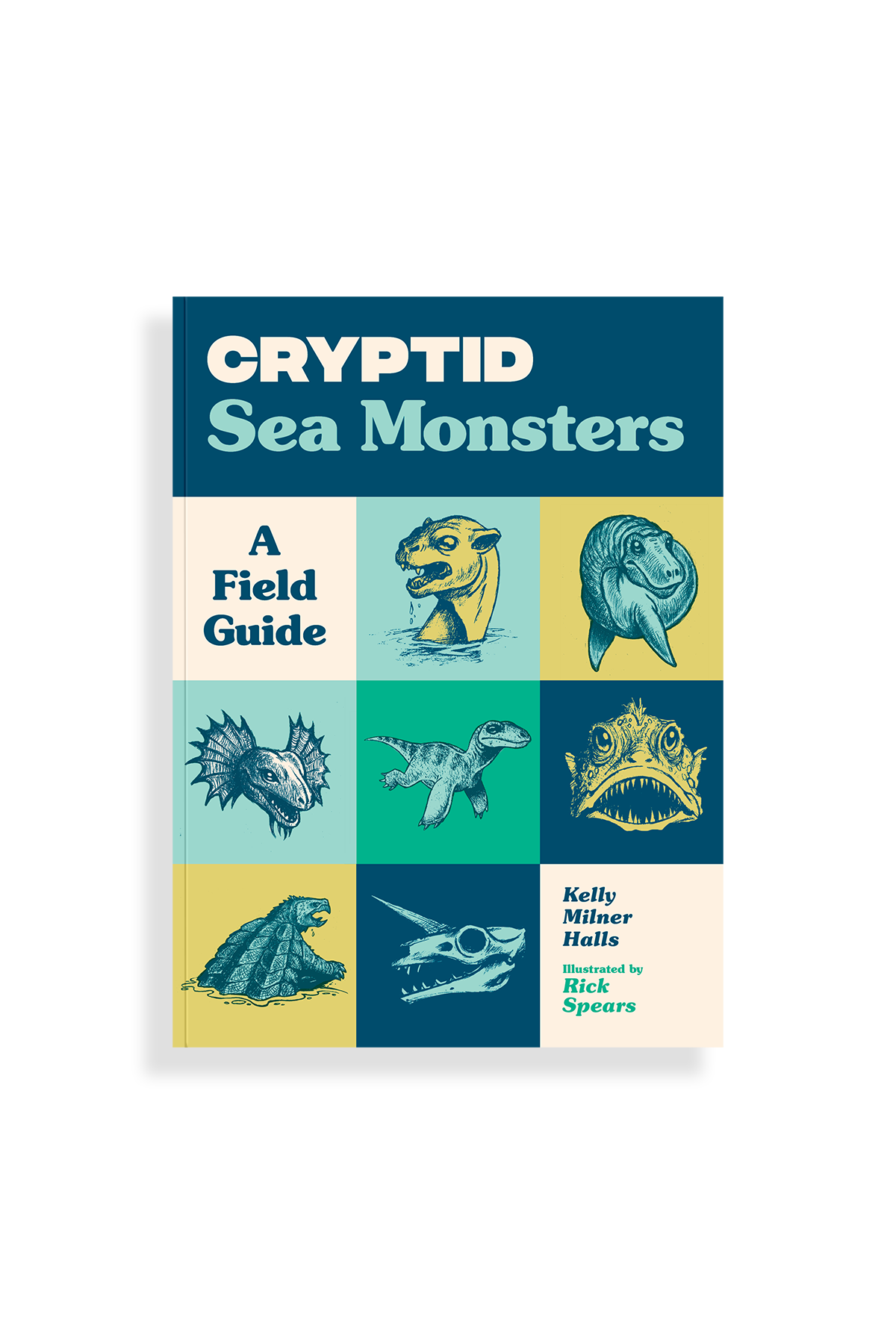
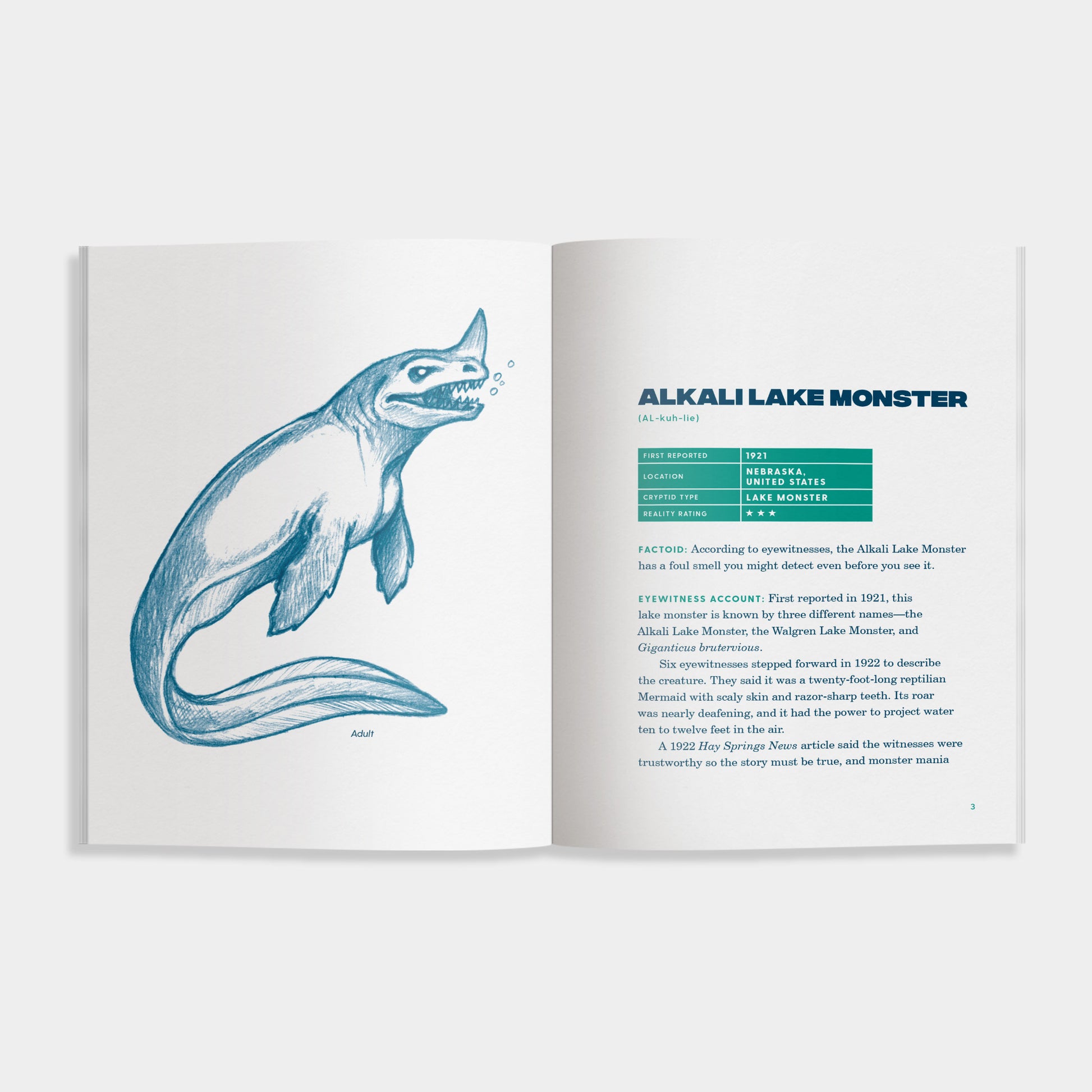
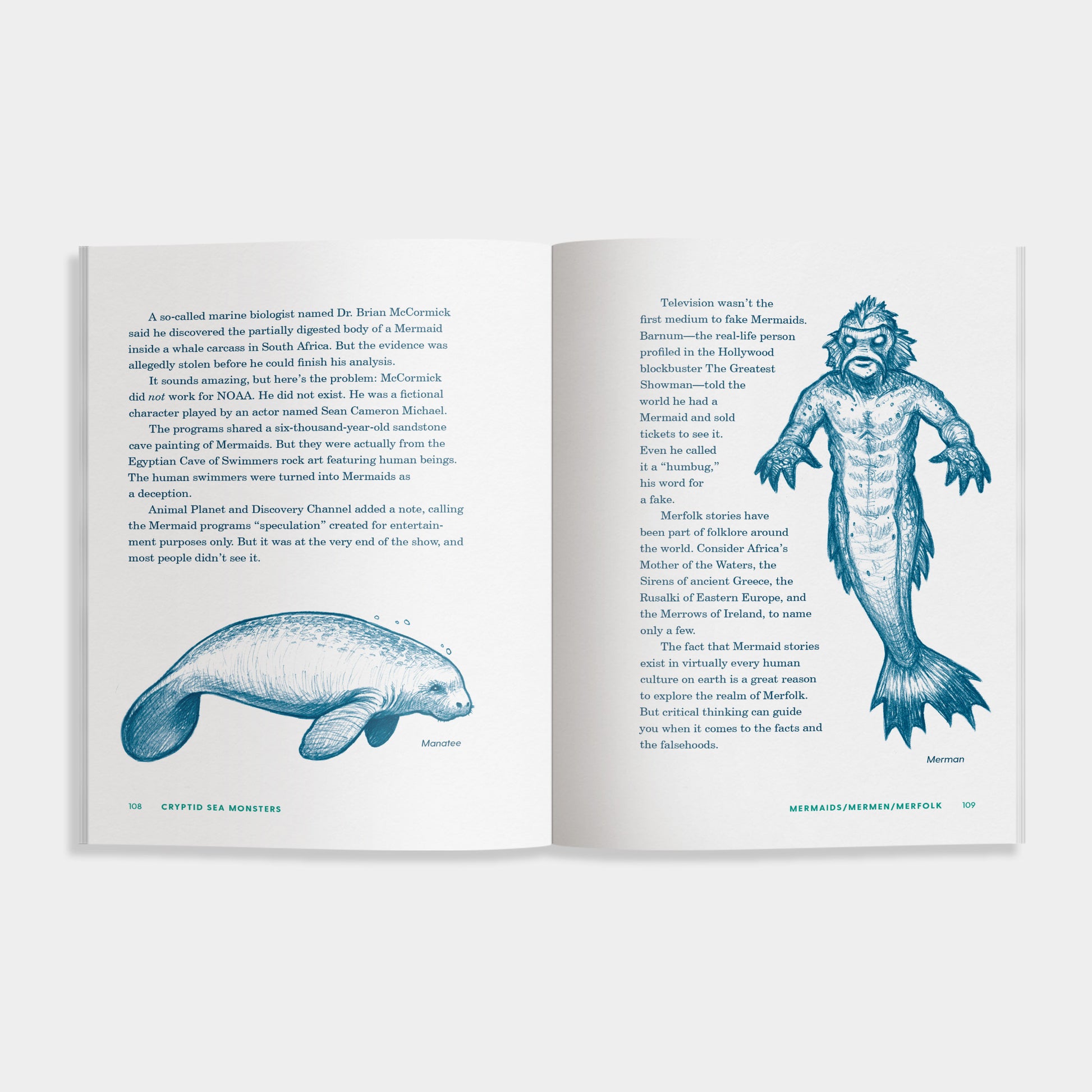
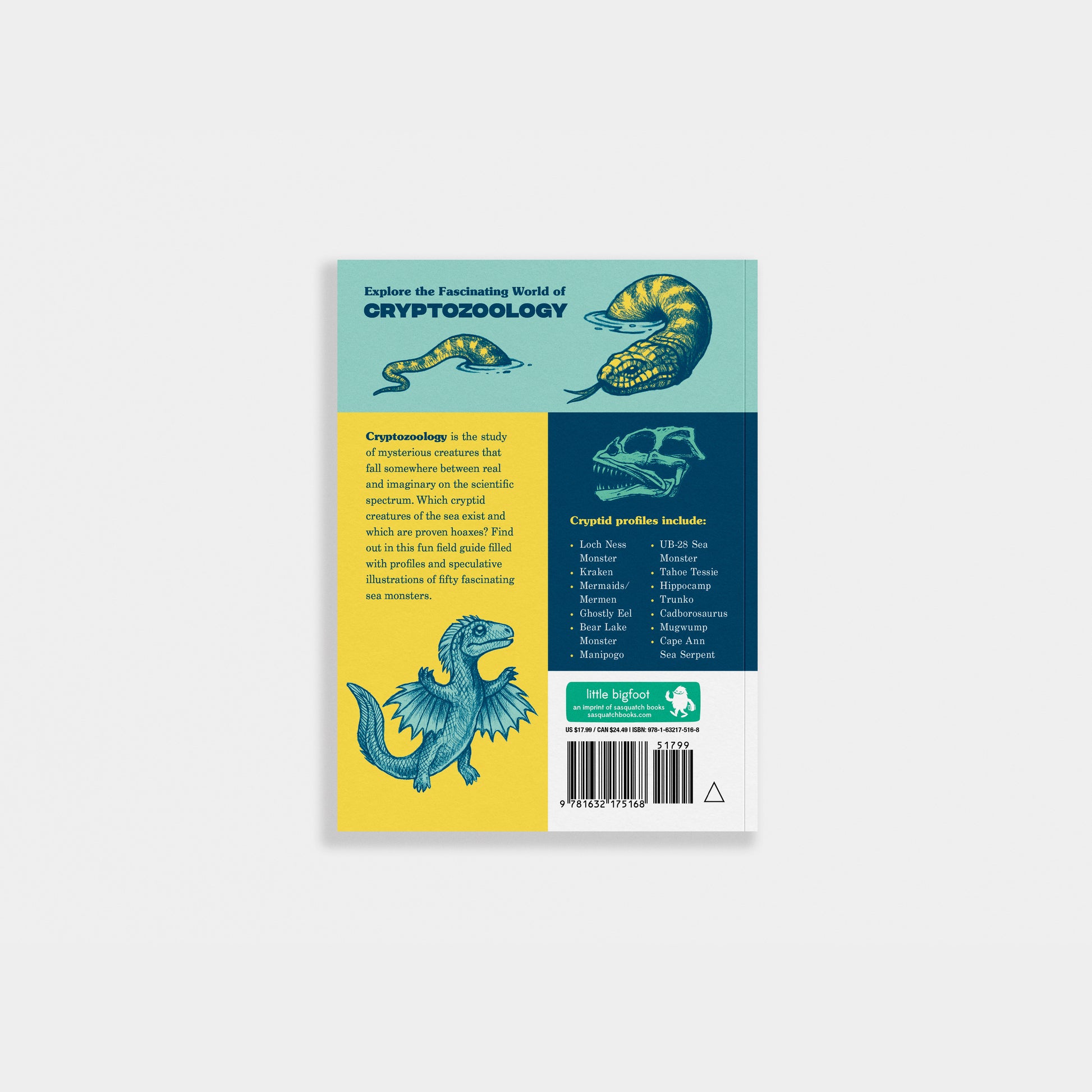
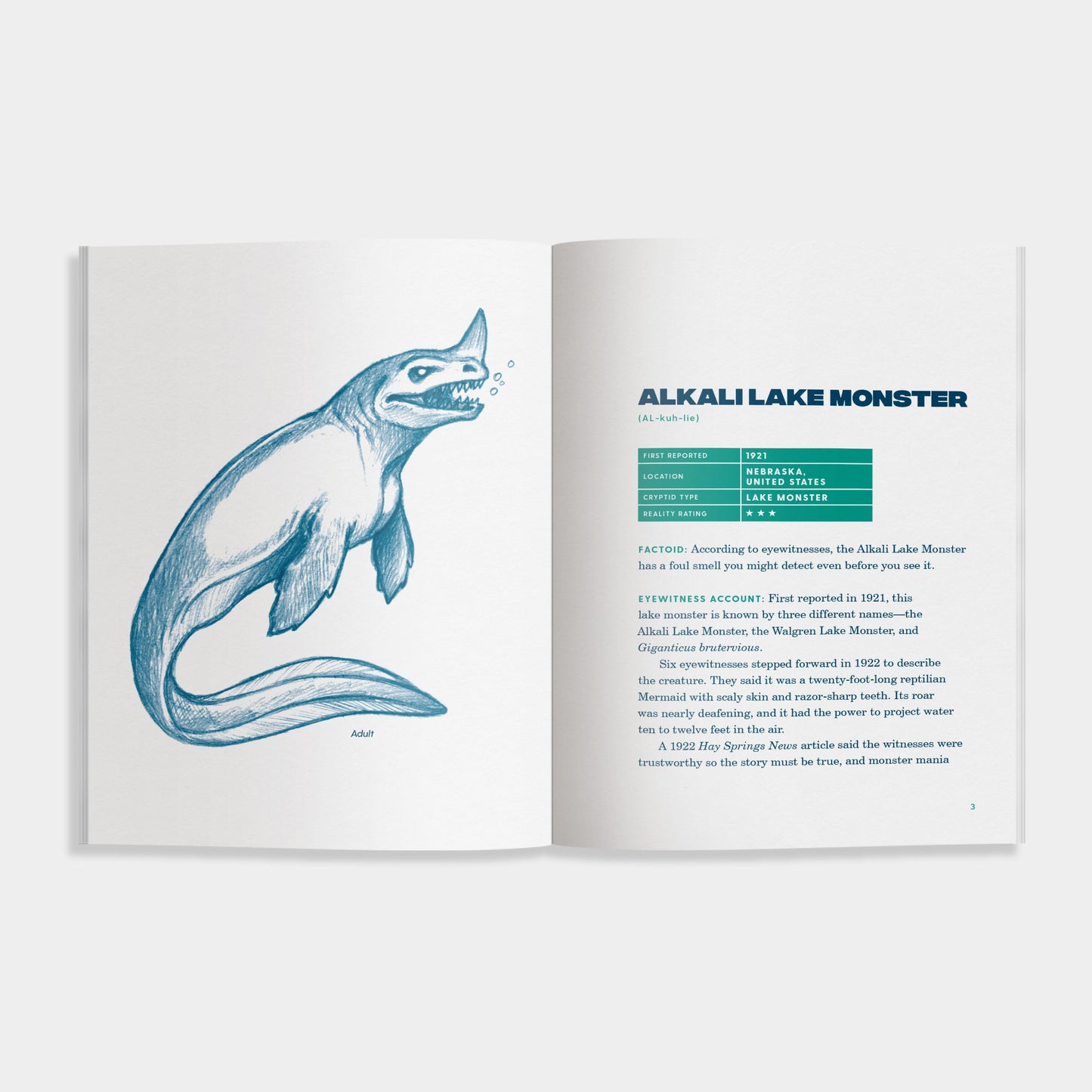
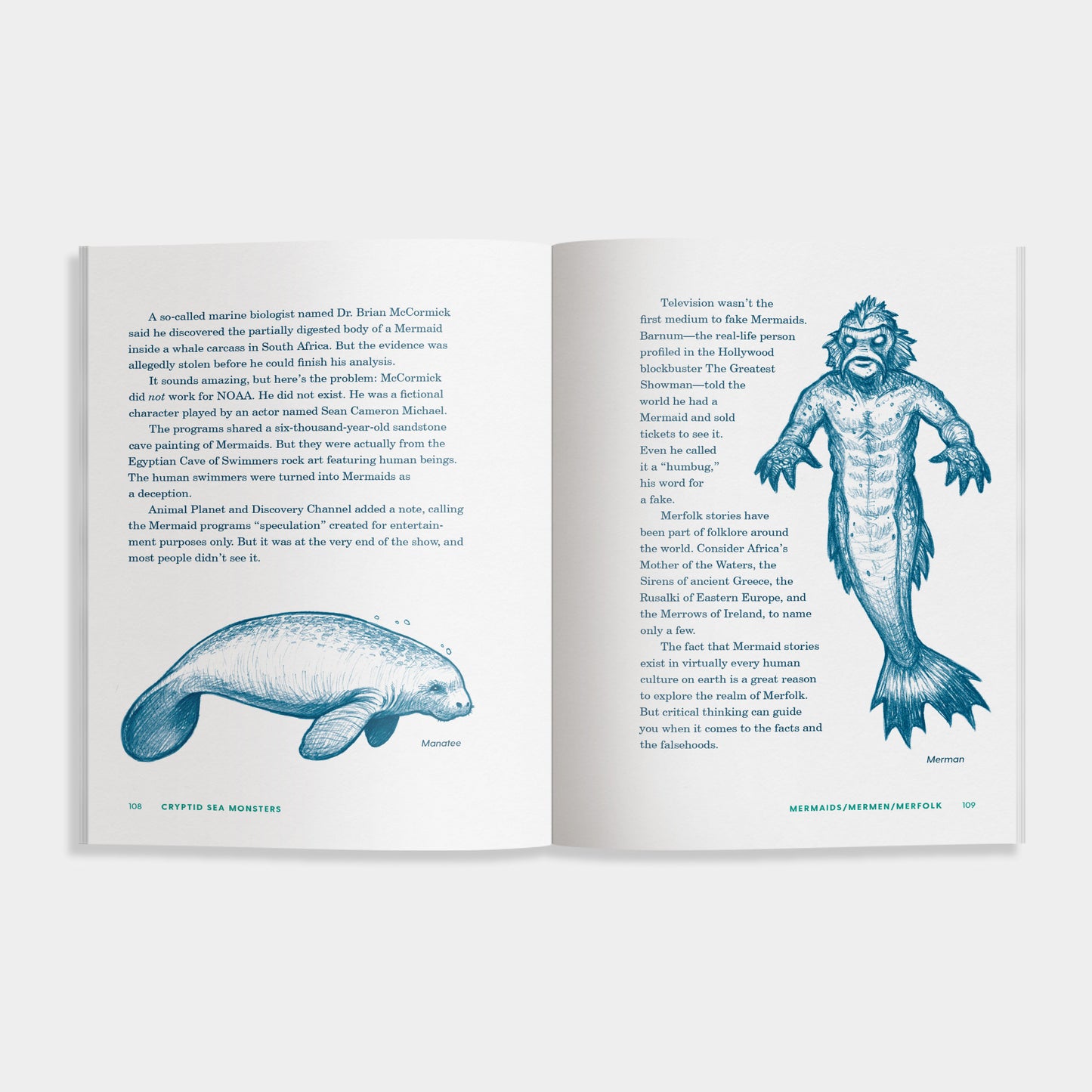
Cryptid Sea Monsters: A Field Guide to 50 Fascinating BeastsBy Kelly Milner Halls and Rick SpearsAn entertaining and educational introduction to the enduring mysteries of the world’s aquatic cryptids that successfully balances wonder, folklore, and scientific inquiry.As someone who has been fascinated by cryptozoology for more than 57 years, has spent over three decades investigating Bigfoot reports in the field, co-founded both Cryptomundo and the Texas Bigfoot Research Center, and has organized the Texas Bigfoot Conference, I am always pleased to see books that introduce new generations to the mysteries that first captured my imagination as a child.Cryptid Sea Monsters: A Field Guide to 50 Fascinating Beasts by Kelly Milner Halls and Rick Spears does exactly that.One of the greatest strengths of this book is its accessibility. Rather than approaching cryptozoology as either unquestioned fact or outright fantasy, the authors strike a balance that encourages curiosity while also promoting critical thinking. That is no small feat in a field that is often polarized between true believers and hardened skeptics.The book profiles 50 aquatic cryptids from around the world, ranging from famous creatures such as the Loch Ness Monster to lesser-known lake monsters, sea serpents, and mysterious marine beasts. Each entry is concise, engaging, and packed with enough information to spark further investigation. For younger readers especially, the format makes the subject approachable without being overwhelming.I particularly enjoyed the inclusion of the “Reality Rating” system. While any rating system is inherently subjective, it serves as a useful tool to help readers understand where a particular cryptid falls on the spectrum between folklore, hoax, misidentification, and legitimate zoological mystery. It also reinforces an important lesson that every serious cryptozoologist eventually learns: some legends are inspired by real animals, and occasionally science catches up with stories once considered impossible.History is filled with examples. The giant squid, coelacanth, okapi, and mountain gorilla were all dismissed or doubted by many before their existence was confirmed. The authors wisely point out that some sea monster traditions have roots in real creatures such as the oarfish, whose remarkable appearance undoubtedly helped inspire dragon and sea serpent legends.The illustrations and field-guide format make the book visually appealing and easy to navigate. Young readers who enjoy sharks, whales, dinosaurs, and marine biology will likely find themselves quickly drawn into the mysteries presented here.As a lifelong cryptozoology enthusiast, I appreciate that the book encourages investigation rather than blind acceptance. The best cryptozoology isn’t about proving every legend true; it’s about examining evidence, asking questions, and maintaining a sense of wonder about the natural world. Halls and Spears successfully convey that philosophy throughout the book.For seasoned researchers, there may not be much new information here. This is not intended to be an exhaustive scholarly examination of aquatic cryptids. Rather, it serves as an excellent introduction to the subject and a gateway for future explorers.In an era when curiosity is often overshadowed by cynicism, books like Cryptid Sea Monsters remind us why many of us became interested in cryptozoology in the first place. They encourage readers to look beyond the horizon, question assumptions, and consider the possibility that our world may still hold undiscovered surprises.Whether you’re a young aspiring cryptozoologist, a parent looking to inspire scientific curiosity, or a lifelong monster enthusiast like myself, Cryptid Sea Monsters is a fun, engaging, and worthwhile addition to your library.